
Lacrosse Shooting Practice Ajax Players Can Repeat
- managerb360
- Jul 20
- 5 min read
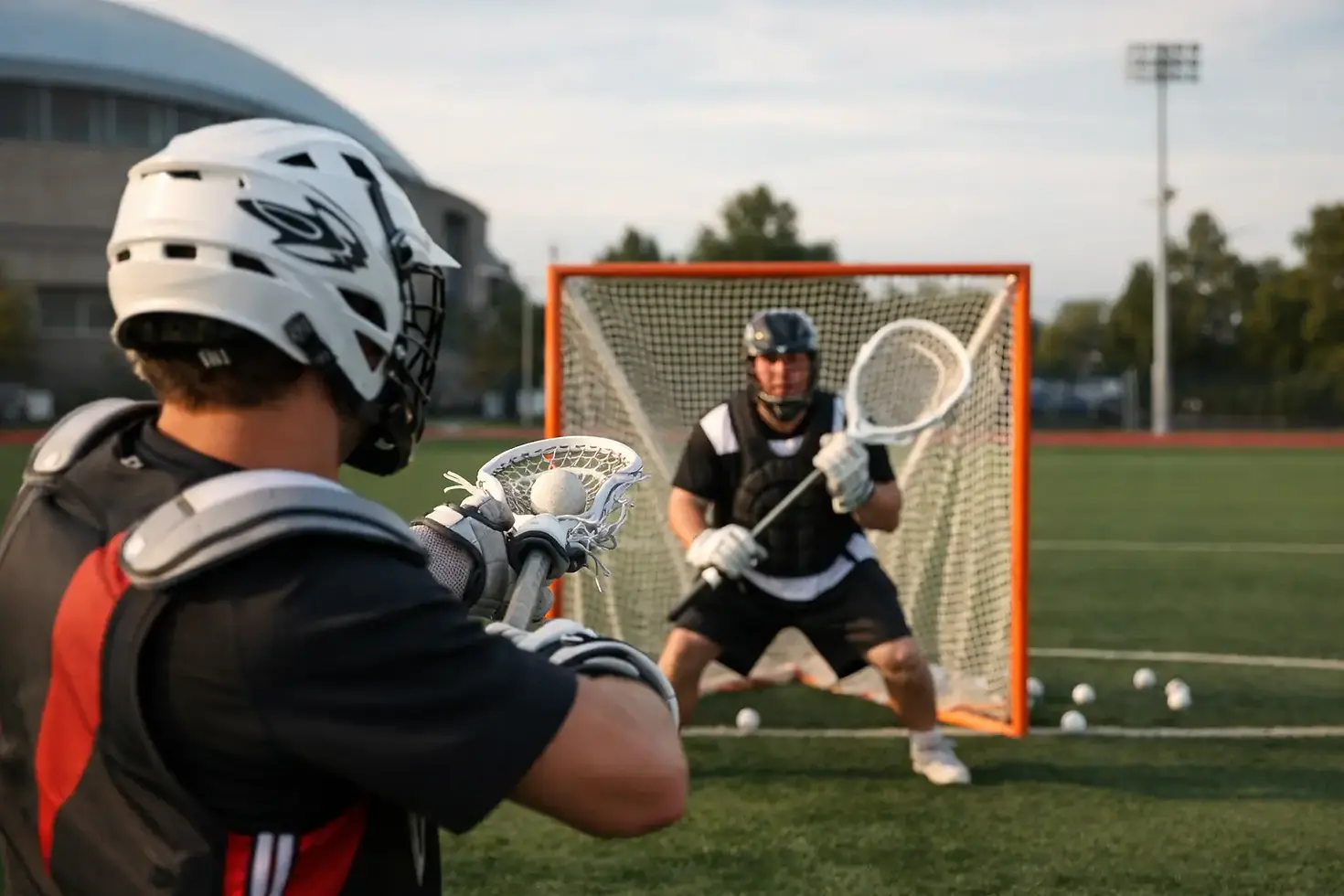
A great shot is not built from one highlight-reel rip. It comes from hundreds of clean repetitions: hands set early, feet moving into the ball, eyes finding a target, and a finish that stays controlled even when fatigue arrives. Lacrosse shooting practice Ajax players can access year-round gives youth athletes, competitive players, and teams a reliable place to turn those repetitions into confidence.
Outdoor fields are valuable, but they are not always available when a player needs focused work. Weather, field permits, early sunsets, and crowded team schedules can all interrupt progress. Indoor turf practice creates another option: a dependable training block where athletes can work on mechanics, accuracy, and decision-making without waiting for the season to cooperate.
Why shooting reps need a plan
Shooting more does not automatically mean shooting better. A player who fires 100 rushed balls with poor balance may simply reinforce habits that cost them accuracy. The goal is purposeful repetition. Start with a clear focus for each session, then give that skill enough quality reps to improve.
For newer players, the priority may be learning a balanced overhand motion and keeping hands apart on the stick. For experienced attackers and midfielders, it may be changing release points, shooting on the run, or getting a shot away after a quick catch. Defenders stepping into transition may need confidence receiving the ball, running at speed, and putting a controlled shot on cage.
The best practice plan depends on the player. A 10-year-old building coordination should not train exactly like a high school athlete preparing for a fast-paced spring schedule. Both benefit from consistency, but the pace, volume, and technical detail should match their stage of development.
Lacrosse shooting practice in Ajax starts with mechanics
Before chasing velocity, make the shot repeatable. Players should begin close to the target or backstop area, where they can feel the correct motion without forcing the ball. A strong foundation usually includes an athletic stance, hands away from the body, shoulders rotating through the shot, and a full follow-through toward the intended target.
For right-handed shooters, that typically means driving from the back leg, transferring weight forward, and allowing the hips and shoulders to rotate in sequence. Left-handed shooters follow the same principles from the opposite side. The side changes, but the need for balance does not.
Players often lose accuracy when they pull their head away, drop their hands, or try to generate power only with their arms. Those issues are easier to spot when practice slows down. A coach, parent, or training partner can give simple feedback: keep the top hand up, finish toward the target, and stay through the shot. One clear cue is more useful than five corrections at once.
Build accuracy before trying to shoot harder
Hard shots matter, especially as players get older. But speed without placement is easy for a goalie to handle and risky in a crowded practice area. Set small targets at different levels and ask players to hit them with controlled pace first. Corners are useful targets, but players should also practice shooting low, shooting to the far side, and placing shots where a goalie is moving away.
A simple progression works well. Take several stationary shots from a comfortable distance. Then move the feet before receiving the ball. Next, catch, step, and shoot in one smooth sequence. Once that looks consistent, add a dodge, a change of direction, or a time limit.
This approach keeps the drill honest. If accuracy drops sharply as movement increases, the athlete has found the skill gap worth training. That is progress, not failure.
Train the shots that show up in games
Game situations rarely offer a perfectly still, wide-open look. Players need practice that reflects where and how they actually shoot. Midfielders may benefit from shooting after a split dodge or from the alley. Attackers may work on quick-stick finishes, catching with their hands ready, and shooting from behind or around the crease area where appropriate for the practice setup.
Shooting on the run deserves its own attention. The player should not sprint wildly toward the cage and throw the ball while off balance. Instead, work on controlled approach steps, keeping the stick in a loaded position, and releasing while the body continues toward the target. Start at half speed. When the footwork and release stay clean, increase pace.
Off-hand practice is also worth protecting in the schedule. Most players would rather use their strong hand, which is exactly why defenders learn to take it away. Even a short block of non-dominant-hand shooting each session can make an athlete harder to predict. Early on, the off-hand shot may feel slower and less accurate. Keep the distance manageable and reward proper form rather than forcing power.
Make indoor turf time count
A dedicated turf booking can support far more than random shooting. Arrive with balls, a properly fitted helmet and gloves, targets if permitted, and a session plan. Use the first few minutes to warm up shoulders, hips, wrists, and ankles. Lacrosse is explosive, and cold shooting mechanics tend to look rushed.
A productive 60-minute session might include a brief warm-up, 15 minutes of close-range form shooting, 15 minutes of placement work, 15 minutes of movement-based shooting, and a final block of competitive drills or off-hand reps. Players do not need to track every shot, but tracking makes improvement visible. Count target hits, record the number of clean catches into shots, or set a realistic personal goal for the next session.
For teams, divide athletes into stations when numbers allow. One group can work on catch-and-shoot timing, another on shooting after a dodge, and another on passing or ground balls before rotating. This keeps players active and gives coaches more opportunities to teach. It also reduces the temptation for a long line of athletes to stand around waiting for one shot.
B360 gives Ajax and Durham Region athletes an indoor space to keep that work moving, with training turf suited to lacrosse practice alongside a full mix of family-friendly recreation under one roof. Parents can stay nearby while athletes train, and coaches can plan focused sessions without building their week around uncertain field conditions.
Use pressure without sacrificing safety
Once players have good technical habits, add pressure. A teammate can call out a target before the pass arrives. A coach can use a countdown to require a faster release. Players can compete in pairs, earning points for accurate shots rather than simply blasting the hardest ball.
Pressure should make the drill more game-like, not careless. Maintain clear shooting lanes, keep athletes behind the shooter, and follow the facility's rules for protective gear and equipment use. Younger players especially need structure around where to stand, when to retrieve balls, and how to communicate before a drill begins.
The habits that carry into game day
One long shooting session cannot replace regular practice. Short, repeatable blocks tend to build better results because players return before mechanics fade. An athlete might use one session for form and off-hand work, then use the next for shooting on the run and rapid release. Teams can schedule more demanding competitive shooting after players have already completed technical reps.
Recovery matters, too. Sore shoulders, elbows, or wrists are signals to reduce volume and check mechanics rather than pushing through bad pain. Young players grow quickly, and equipment fit can change with them. A stick that is restrung or adjusted may also affect feel and release point, so give athletes time to adapt before judging the result.
The most useful question after practice is not, “How hard did I shoot?” It is, “What can I repeat when the game gets fast?” Bring that answer into the next session, choose one detail to improve, and let consistent work make the shot feel natural when the moment arrives.


Comments