
How to Host a Sports Party That Gets Moving
A great sports party is not about turning every guest into a future all-star. It is about giving kids room to move, a reason to cheer each other on, and a celebration that feels bigger than cake and a few folding chairs. If you are figuring out how to host sports party fun for a birthday, team celebration, or family gathering, start with one simple goal: make participation easy.
The best events balance action with breathing room. Some guests will want to take every shot, sprint every relay, and stay on the turf until the final whistle. Others may need a low-pressure way to join in. Build for both, and you will create a party that feels organized, active, and welcoming from the first arrival to the last high-five.
Start With the Guest List and the Energy Level
Before choosing games, think about who is coming. A party for eight-year-olds needs different pacing than a celebration for teen hockey players or an adult recreational team. Age range, number of guests, athletic experience, and the birthday guest's favorite sport all shape the plan.
For younger kids, short activities work best. Rotate every 10 to 15 minutes so the energy stays high and no one spends too long waiting for a turn. For older athletes, you can run longer challenges, small-sided games, or skill competitions with a clearer score.
Avoid making the entire party a test of ability. A fast player may love a timed relay, but a guest who is new to the sport may enjoy a target challenge, obstacle course, or team game more. Mix competitive moments with cooperative ones so every guest has a chance to contribute.
Choose a Venue Built for Play
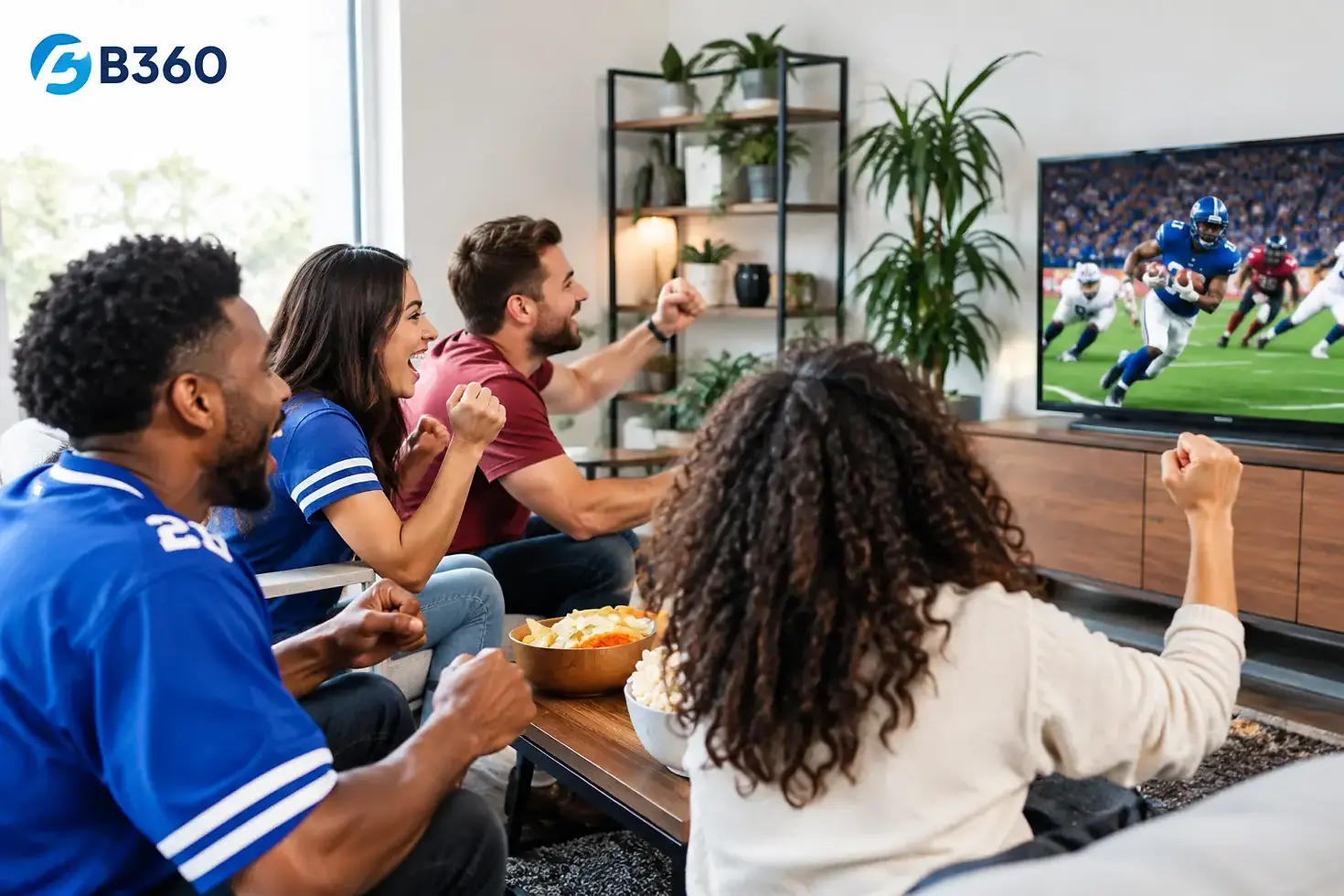
A living room can work for a small watch party, but active celebrations need enough space for safe movement. Indoor sports facilities are especially useful when weather is unpredictable, when the guest list is growing, or when you want the party to feel like a real event instead of a few backyard games.
Look for a venue with purpose-built space that matches your activity. Turf works well for soccer, football, lacrosse, relay races, and agility games. Batting cages create a focused baseball or softball experience. An ice rink can turn a hockey birthday into a memorable skate session, while golf simulators give mixed-age groups a fun challenge without requiring everyone to play the same way.
At B360, families can bring training, play, food, and celebration together in one active setting. That matters when parents are coordinating siblings, guests have different interests, and nobody wants to spend the day driving between locations.
When booking, confirm the party length, available equipment, supervision rules, food policies, and where guests can gather between activities. A great facility should make the logistics feel clear before the first invitation goes out.
Build the Party Around One Main Activity
A sports party does not need six different sports to be exciting. One main activity gives the event a clear identity and makes planning easier. If the guest of honor loves soccer, build around a mini tournament. If baseball is their game, plan batting rotations and fielding targets. For a hockey fan, add puck-handling stations and a friendly shootout.
Then add two or three simple side challenges. These give guests something to do while teams rotate and help prevent the party from becoming one long line. Good options include a fastest-shot contest, target kicking, a passing accuracy challenge, a mini obstacle course, or a skills circuit where players collect points for effort as well as results.
Keep rules short. Explain each activity in under a minute, demonstrate it once, and get the group moving. If adults are helping, assign one person to manage equipment and another to track scores or guide the next group. That small amount of structure makes a big difference.
How to Host a Sports Party With Fair Teams
Team selection can make or break the mood. Letting captains pick every player may feel familiar, but it can leave quieter or less experienced guests feeling singled out. Instead, create balanced teams before the party or use an easy system such as colored wristbands, pinnies, or numbered groups.
If friends arrive in pairs, place them on the same team when possible. Younger guests settle in faster when they have a familiar teammate. For a team party, mix positions and skill levels so the competition stays close.
Use points, but do not let the scoreboard take over. Award bonus points for teamwork, encouragement, creative celebrations, or completing a group challenge. A team that is behind should still have a reason to stay engaged. The goal is a memorable game, not a postgame debate about a disputed call.
Plan Food That Works Between Games
Sports party food should be easy to grab, easy to clean up, and easy to eat after activity. Save a full sit-down meal for another occasion unless your group has a long break built into the schedule. Pizza, wraps, fruit, pretzels, popcorn, granola bars, and individual snacks tend to work well because guests can refuel quickly.
Water should be available from the start, not only after the games are done. Active kids often forget to pause, especially when they are having fun. If you are serving sports drinks or juice, offer water alongside them and remind the group to take quick hydration breaks.
Time the cake or cupcakes after the main activity. This avoids the combination of icing, excitement, and immediate running. It also gives guests a natural moment to cool down, share highlights, and take photos before the event wraps up.
Create a Simple Run of Show
A party feels relaxed when the host has a plan. You do not need to schedule every minute, but a basic flow keeps transitions from eating into playtime. For a two-hour event, allow time for arrivals, active games, food and cake, then a final feature activity or awards moment.
A dependable schedule might include 15 minutes for check-in and free play, 50 minutes for organized games, 20 minutes for food, 20 minutes for cake and photos, and 15 minutes for a final challenge or pickup. Adjust for your group. Younger children may need more breaks, while teens may prefer extra game time and less ceremony.
Share the key details with parents ahead of time: what to wear, whether athletic shoes or skates are needed, what time to arrive, and whether they should bring a water bottle. Clear instructions prevent last-minute confusion and help guests show up ready to play.
Make Every Guest Feel Part of the Win
Not every child wants to be center stage, and not every adult wants to referee. Offer roles that let people participate at their comfort level. Guests can be scorekeepers, music selectors, team photographers, cheer captains, or challenge judges. These roles are especially helpful during a larger party with mixed personalities.
For the final awards, skip rankings that only celebrate the strongest players. Recognize hustle, teamwork, positive attitude, best celebration, biggest improvement, or fearless effort. A small medal, certificate, or team photo can be enough to make the moment feel special.
The most shareable memories usually happen between the big plays: a teammate helping someone finish a drill, a parent cheering from the sideline, or a group laughing after an unexpected bounce. Give those moments space. Keep the plan active, stay flexible when the group finds its rhythm, and let the celebration end with everyone feeling like they were part of the game.


Comments